
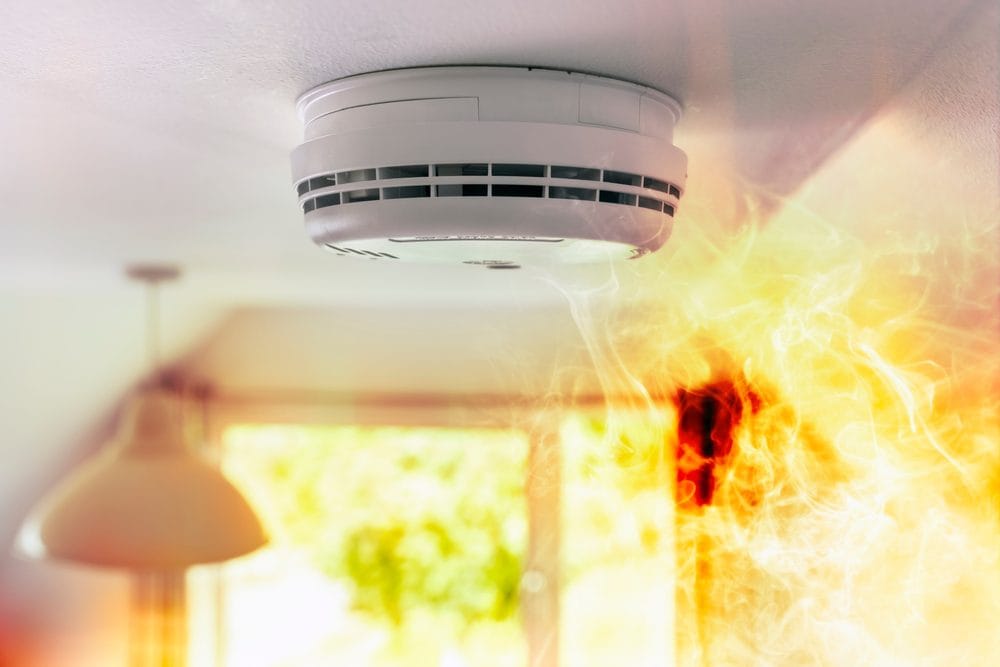
In the fast-paced world of business, ensuring the safety of your premises, employees, and customers should always be a top priority. Among the many safety measures a business can implement, fire alarms stand as one of the most critical components in safeguarding lives and assets. However, simply installing a fire alarm system isn’t enough—regular fire alarm maintenance is essential for ensuring optimal performance and compliance with UK fire safety regulations.
Why Fire Alarm Maintenance Matters
A well-maintained fire alarm system is crucial for several reasons:
Ensures Proper Functionality
Fire alarms are designed to detect smoke or fire and alert occupants promptly. Over time, dust, debris, and environmental factors can affect the sensors and circuitry. Regular maintenance ensures that all components function correctly, providing peace of mind that your alarm will activate when needed.
Compliance with UK Fire Safety Regulations
Under the Regulatory Reform (Fire Safety) Order 2005, UK businesses have a legal obligation to ensure that fire safety equipment is maintained in good working order. Failure to comply with these regulations can result in hefty fines, prosecution, or even closure of the business.
Minimises False Alarms
Poorly maintained alarms are more likely to trigger false alarms, causing unnecessary disruption and potentially desensitising occupants to genuine alerts. Regular checks reduce the risk of false alarms, ensuring that your fire alarm system is both reliable and effective.
Protects Your Business Assets
A fire can cause significant damage to a business’s assets, including inventory, equipment, and important documents. By maintaining your system, you reduce the risk of fire spreading unchecked, potentially saving your business thousands of pounds in damages.
Key Components of Fire Alarm Maintenance
Proper fire alarm maintenance involves several key steps:
- Visual Inspection: Regularly check the alarm panel for error messages or warnings.
- Testing Alarm Sounders: Ensure that the alarm sounders are loud enough to be heard throughout the premises.
- Checking Smoke Detectors: Inspect smoke detectors for dust or obstructions that may affect their sensitivity.
- Battery Checks: Test and replace backup batteries to ensure the alarm functions during power outages.
- System Logging: Keep a detailed log of all maintenance checks and tests to demonstrate compliance with regulations.
How Often Should Fire Alarm Maintenance Be Conducted?
According to UK fire safety guidelines, businesses should:
- Conduct a weekly fire alarm test to check functionality.
- Arrange for a professional inspection at least every six months by a qualified fire safety technician.
By following these guidelines, businesses can stay compliant while ensuring the safety of everyone on the premises.
Choosing the Right Maintenance Provider
When selecting a maintenance provider for your alarm system, look for the following:
- Experience: Providers with extensive experience in fire safety systems are more likely to offer reliable service.
- Certifications: Ensure the provider is accredited by relevant bodies, such as BAFE (British Approvals for Fire Equipment).
- 24/7 Support: Fires can occur at any time, so having a provider that offers around-the-clock support is essential.
Conclusion
Regular fire alarm maintenance isn’t just a regulatory requirement—it’s a vital step in ensuring the safety of your business and everyone within it. By keeping your alarm system in top condition, you can protect lives, assets, and your business’s reputation. Don’t wait until it’s too late—schedule your next fire alarm maintenance check today.