
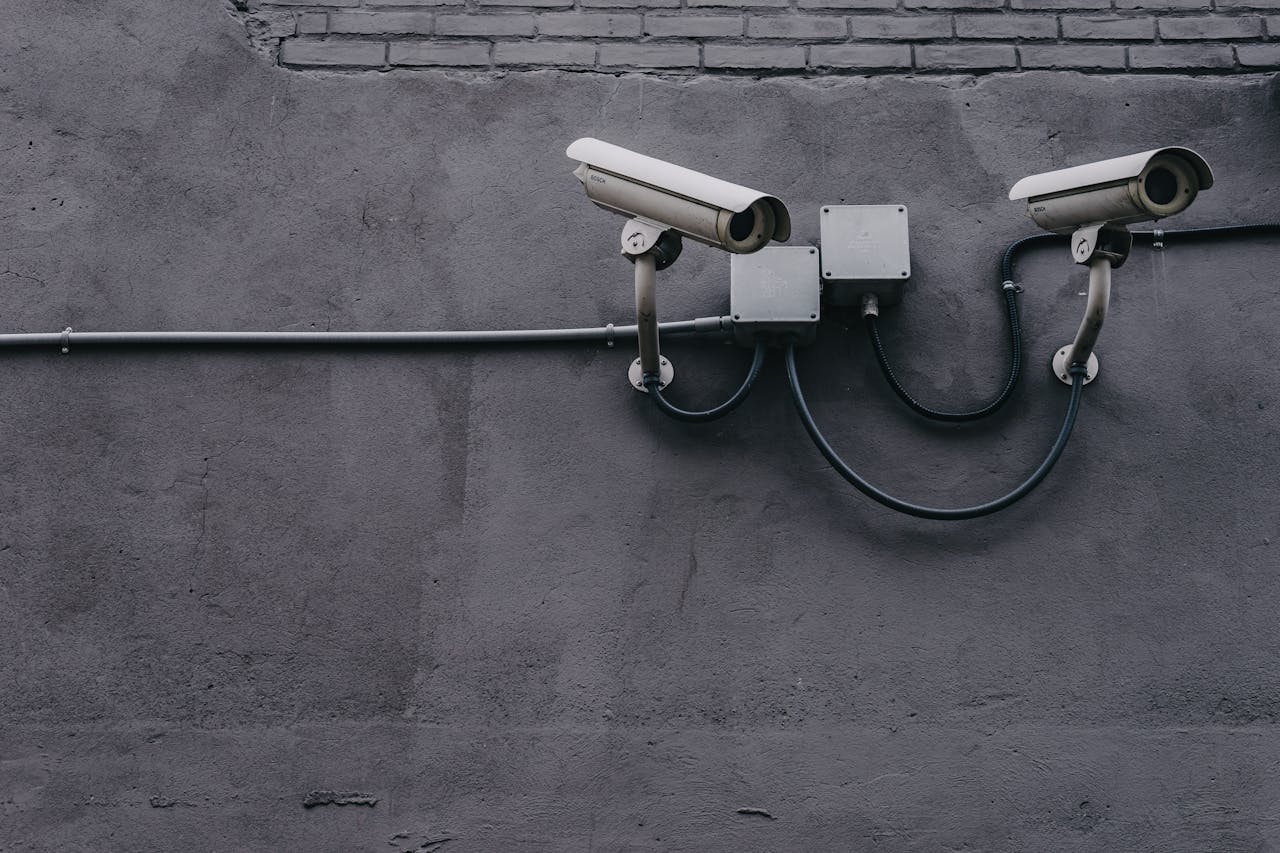
For businesses operating in the UK, meeting security and safety regulations is a crucial part of responsible management. Neglecting these requirements can result in significant penalties, damage to reputation, and heightened risks for both employees and assets. This guide offers a practical checklist to help businesses adhere to the essential security and safety rules.
Key UK Security and Safety Regulations
Regulatory Reform (Fire Safety) Order 2005
This regulation requires businesses to:
- Regularly assess fire risks.
- Introduce appropriate fire safety measures based on identified risks.
- Ensure fire safety systems, such as alarms, extinguishers, and emergency lighting, are fully operational.
Ignoring fire safety responsibilities can lead to fines or, in severe cases, imprisonment. Staying proactive through regular reviews and maintenance is critical.
Health and Safety at Work Act 1974
This act mandates that employers take necessary steps to ensure the well-being of their staff. Key measures include:
- Providing relevant safety training.
- Identifying and mitigating workplace hazards.
- Ensuring equipment and substances are handled safely.
General Data Protection Regulation (GDPR)
Security encompasses both physical and digital environments. Businesses handling personal data must ensure:
- Data is securely stored and only accessible to authorised personnel.
- Breaches are reported promptly.
- Effective cybersecurity measures are in place.
Essential Actions for UK Businesses
- Conduct Comprehensive Risk Assessments Evaluate potential hazards related to fire, workplace security. Use these assessments to guide the implementation of necessary measures.
- Maintain Critical Safety and Security Systems Schedule regular checks for fire alarms, emergency lighting, access control systems, and CCTV. Ensure everything remains in good working order.
- Provide Continuous Staff Training Equip your employees with up-to-date knowledge on fire safety procedures, emergency protocols, and data protection practices. Regularly refresh their training to keep them informed.
- Document Procedures and Actions Maintain a detailed record of risk assessments, maintenance activities, training sessions, and incidents. Proper documentation demonstrates your dedication to adhering to regulations and can serve as proof during audits or inspections.
- Stay Updated on Regulatory Changes Security and safety regulations evolve over time. Join industry associations and attend relevant events to keep abreast of changes and best practices.
Why Following Regulations Matters
- Legal Safeguard: Meeting regulatory requirements helps avoid fines, legal troubles, and business disruptions.
- Improved Reputation: Demonstrating a commitment to security boosts trust among clients, employees, and stakeholders.
- Risk Reduction: Proactively addressing potential hazards minimises the likelihood of accidents, data breaches, or security incidents.
Conclusion
Meeting UK security and safety regulations is an ongoing process that requires careful planning, regular review, and active engagement. By following the checklist outlined above, businesses can create a safer environment, protect their assets, and enhance trust among their stakeholders. Taking these steps not only helps you avoid penalties but also strengthens your organisation’s resilience against potential risks. Start today by reviewing your current measures and making improvements where necessary to keep your business secure and well-prepared.